


Sustainability Report
REIDEA Sustainability Report 2026
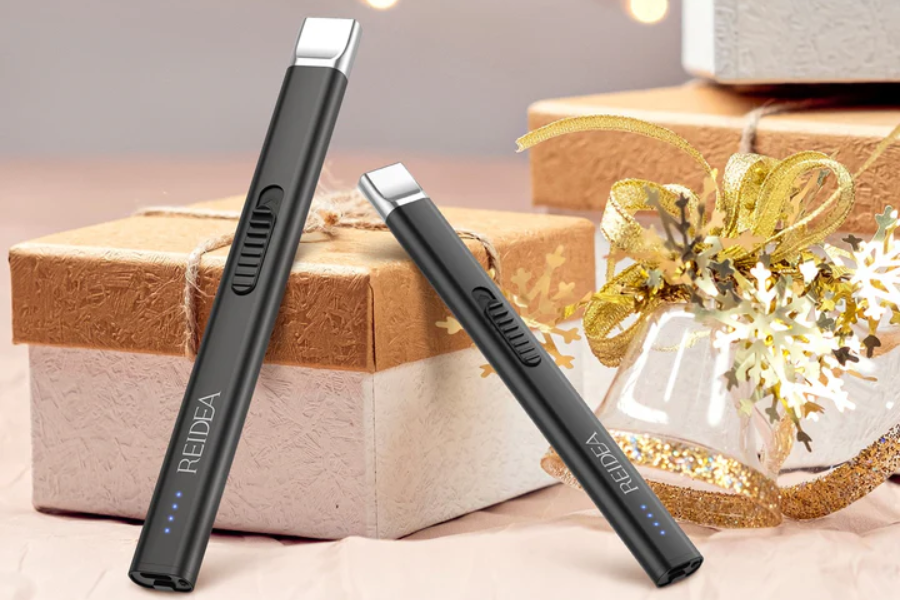
The REIDEA Sustainability Report 2026 highlights a concrete, hardware-first approach to ESG and dematerialization in small consumer electronics. Rather than relying on generic green marketing slogans, REIDEA evaluates its environmental performance through product-level engineering optimizations and direct single-use plastic displacement.
Key Highlights & Performance Metrics:
-
Product Eco-Design & Hardware Optimization:
-
30% Plastic Reduction: Shifted product housing away from petroleum-heavy plastics toward recyclable aluminum.
-
20% Light-Weighting (~10g): Reduced material volume, lowering embodied production energy and shipping logistics footprint.
-
61% Internal PCB Reduction: Reduced internal board length from 98 mm to 38 mm, significantly cutting FR-4 (epoxy resin and glass fiber) waste in electronics manufacturing.
-
33% Battery Output Efficiency: Upgraded performance from ~30 to ~40 ignitions per charge on a 170–220 mAh (~0.8 Wh) lithium system.
-
-
Annual Displacement & Climate Impact:
-
Based on an annual sales baseline of 400,000 units, REIDEA lighters displace an estimated 2,000,000 single-use plastic butane lighters annually.
-
Net Avoided Emissions: Delivers a net carbon reduction of 100 to 200 Metric Tons $\text{CO}_2\text{e}$ per year (equivalent to removing 40–80 passenger cars or the annual carbon absorption of 4,500–9,000 mature trees).
-
Resource Conservation: Prevents 9.0 Metric Tons of butane fuel combustion and 26.0 Metric Tons of plastic waste each year.
-
Consumer Economics: Shifts $2.0M to $3.0M in cumulative consumer spending away from disposable plastic products over repeated product life cycles.
-
-
Strategic Roadmap (2025–2050):
-
2025 (Baseline): Hardware dematerialization and aluminum housing transition.
-
2026–2030 (Circularity): Formal lithium battery E-Waste Take-Back programs, SBTi emissions alignment, and 100% plastic-free retail packaging.
-
2050 (Net-Zero): Full net-zero carbon footprint and closed-loop critical mineral recovery (lithium, copper, aluminum).
-